
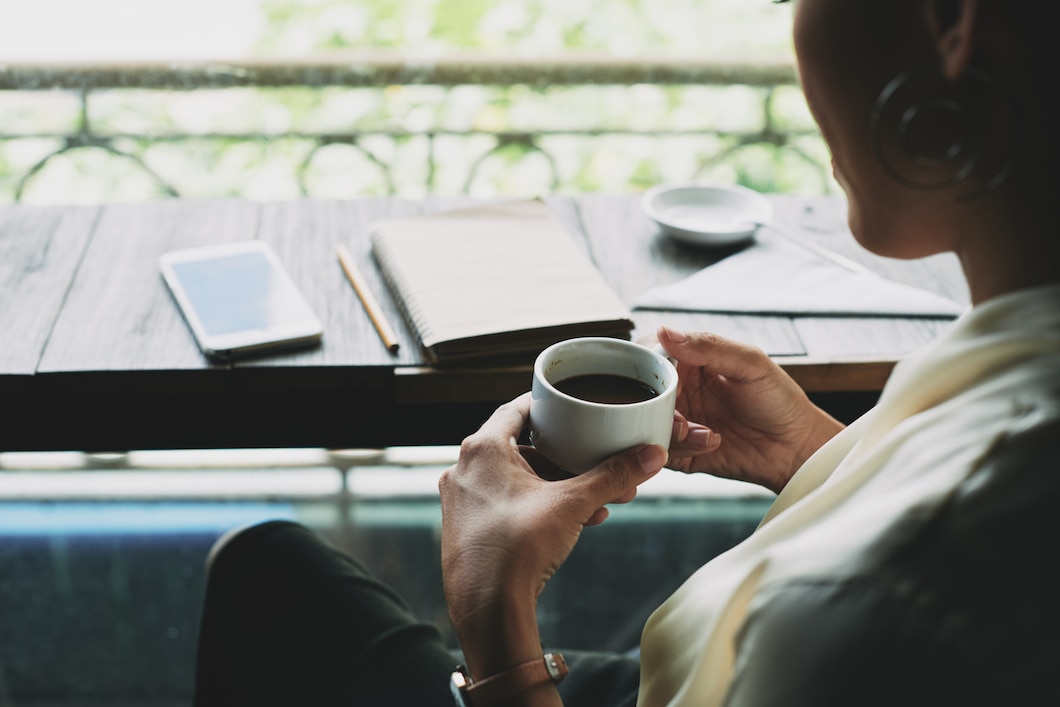
How Long Can Coffee Sit Out?
I’ll admit, I’ve often poured myself a fresh cup of coffee only to get distracted and leave it sitting on my desk for hours. Sometimes I sip it cold, other times I just shrug and make another cup. But it got me thinking: how long is coffee actually safe or enjoyable to drink once it’s left out? It’s a surprisingly nuanced question, and the answer isn’t just about bacteria—it’s also about flavor chemistry, caffeine stability, and even health considerations.
Understanding Coffee’s Chemical Breakdown
Why time changes your cup —
When I leave coffee sitting, I notice it starts to taste bitter or “stale” after a while. That’s because coffee is chemically active even after brewing. Compounds like chlorogenic acids begin to break down when exposed to oxygen, producing quinic acid, which gives that sharp, almost metallic bitterness.
Temperature plays a huge role. I’ve read that brewed coffee sitting at room temperature (around 70°F or 21°C) can start oxidizing significantly after 30–60 minutes. Even if no mold forms, flavor compounds degrade rapidly. This means the coffee is technically drinkable but no longer tastes as intended. Interestingly, I once let a cup sit for three hours and noticed the flavor loss was far more noticeable than any bacterial growth.
Bacterial Growth and Safety Considerations
When flavor isn’t the only concern —
While I’m more sensitive to taste than health risks, it’s worth noting the microbiological side. Brewed coffee is acidic, typically around pH 4.85–5.10, which naturally inhibits many bacteria. But if milk, cream, or sugar is added, this protective acidity diminishes.
According to food safety experts, brewed coffee without additives can safely sit at room temperature for up to 12 hours without significant bacterial risk. With milk or cream, that window drops dramatically to about 2 hours. I find this critical because many people leave creamer-laden coffee on their desk all day, unknowingly raising risk for bacterial growth like listeria or salmonella.
Flavor vs. Safety: The Tradeoff
Why I rarely drink coffee after a few hours —
Even if coffee is technically safe after sitting for 8–12 hours, I find the taste suffers much earlier. For black coffee, flavor degradation is noticeable after 1–2 hours. Volatile aromatics evaporate, oils oxidize, and the bitterness intensifies.
I experimented by leaving a cup on my kitchen counter and tasting hourly. By hour three, it tasted flat and slightly burnt, even though it wasn’t spoiled. This reinforced my belief that safety and flavor aren’t always aligned. Coffee can be safe but almost impossible to enjoy past a certain point.
The Role of Temperature Control
How to extend your cup’s life —
I’ve found that using a thermal carafe or preheated insulated mug significantly slows both flavor degradation and bacterial growth. For example:
- Thermal carafe at 160°F (71°C): coffee flavor remains reasonably stable for 4–6 hours.
- Countertop at room temperature: flavor diminishes after 1–2 hours, but still technically safe for up to 12.
Interestingly, microwaving coffee restores warmth but doesn’t reverse oxidation or bitterness. I often warn friends not to mistake reheated coffee for “fresh,” because the taste changes are permanent.
Cold Coffee: Does Refrigeration Help?
Extending both taste and safety —
If I know I won’t drink my coffee soon, refrigerating it can be a game-changer. Storing black coffee in a sealed container slows oxidation, and I’ve noticed it tastes acceptable for up to 24–48 hours. However, refrigerated coffee tends to lose aromatics, and the experience differs from freshly brewed.
Adding milk or cream complicates this. In my experience, refrigerated coffee with dairy is safe for up to 3–4 days, but flavor starts deteriorating after 24 hours. I sometimes use this method for iced coffee, but I always recommend taste-testing before drinking.
How Caffeine Stability Changes Over Time
Does leaving coffee out reduce its kick? —
I used to wonder if sitting out coffee loses caffeine potency. Research shows caffeine is relatively stable under normal conditions. A cup left at room temperature for up to 12 hours still retains nearly 100% of its caffeine content. Even after 24 hours in the fridge, degradation is minimal.
This surprised me because it means the stimulant effect doesn’t diminish like flavor does. So technically, I could sip older coffee and get my caffeine boost, but I’d likely struggle with the bitterness. Flavor, not caffeine, is the limiting factor.
Tips to Keep Coffee Enjoyable Longer
Practical advice from my own experiments —
From my personal experience, here’s what works:
- Brew only what I can drink within an hour or two for optimal taste.
- Use a thermal mug or carafe if I need to keep coffee warm.
- Refrigerate extra black coffee for later use but consume within 24–48 hours.
- Avoid leaving dairy-laden coffee at room temperature; stick to 2 hours max.
- Consider iced coffee methods if planning ahead, as chilled coffee retains flavor better than reheated.
These steps balance flavor, safety, and convenience, which is crucial for daily coffee drinkers like me.
My Personal Take: Balancing Convenience and Quality
When I decide to leave coffee out and when I don’t —
I’ve learned that there’s no one-size-fits-all answer. Black coffee left out for a couple of hours is safe and still palatable, but past that, the taste diminishes noticeably. For milk-based drinks, I treat them as “must-drink-soon” beverages to avoid health risks.
Ultimately, I think coffee is best enjoyed fresh, but practicality sometimes wins. For me, understanding the chemical and microbial limits lets me make informed decisions without compromising safety—or my palate entirely. I’ve realized that respecting the clock on my cup can make all the difference between a satisfying sip and a regrettable gulp.
FAQs
- How long can brewed black coffee sit out safely?
Up to 12 hours at room temperature without additives. - How long can coffee with milk or cream sit out?
About 2 hours at room temperature before bacterial risk increases. - Does leaving coffee out reduce caffeine content?
No, caffeine is stable; the stimulant effect remains for many hours. - Can I reheat coffee left out for several hours?
Yes, but flavor deterioration and bitterness remain unchanged.
5. Is refrigerated coffee still safe to drink?
Yes, black coffee lasts 24–48 hours, milk-based coffee lasts 3–4 days.