How Much Caffeine in a Shot of Espresso?
The First Time I Felt Espresso Hit Faster Than I Expected
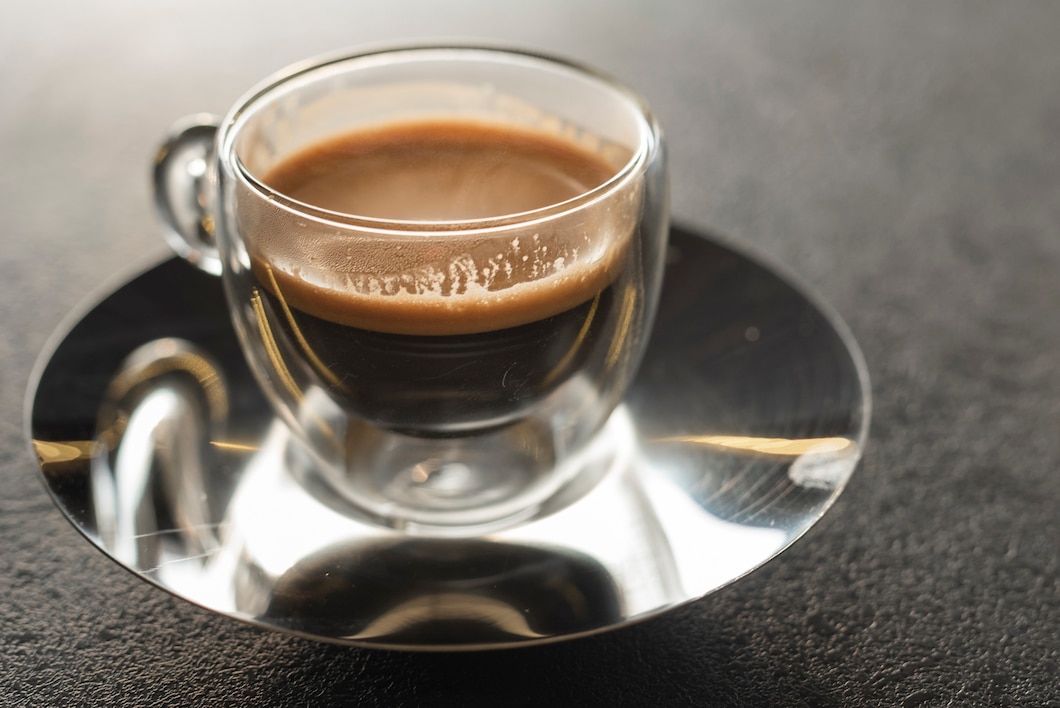
How Much Caffeine in a Shot of Espresso? I still remember the first time I took a shot of espresso on an empty stomach. It wasn’t just strong in flavor—it felt immediate. Within minutes, I was more alert, slightly restless, and honestly a bit surprised. It didn’t feel like drinking a regular cup of coffee at all.
That moment made me curious. Was espresso actually stronger, or was it just more concentrated? The answer turned out to be more nuanced than I expected. Espresso isn’t necessarily higher in total caffeine than a full cup of coffee, but its intensity and delivery create a very different experience.
1. The Direct Answer: Caffeine in a Single Shot of Espresso
Standard Measurement
A single shot of espresso (about 1 ounce or 30 ml) typically contains:
- 63 mg of caffeine on average
Double Shot (Doppio)
Most coffee shops serve a double shot, which contains:
- 120–130 mg of caffeine
What This Means Practically
Even though the volume is small, the caffeine is highly concentrated.
A Quick Insight
What surprised me most is how standardized this number is. Unlike brewed coffee, espresso tends to stay within a relatively narrow caffeine range when prepared correctly.
2. Why Espresso Feels Stronger Than Regular Coffee
Concentration vs Total Content
Espresso has more caffeine per ounce, but not necessarily more caffeine overall than a full cup of coffee.
Comparison Example
- Espresso (1 oz): ~63 mg
- Drip coffee (8 oz): 80–100 mg
Why the Experience Feels Different
The small volume and quick consumption create a faster perceived effect.
A Personal Reflection
I realized that espresso doesn’t just deliver caffeine—it delivers it quickly and efficiently, which changes how it feels in the body.
3. Factors That Affect Caffeine in Espresso
Coffee Bean Type
- Arabica: lower caffeine
- Robusta: up to 2x more caffeine
Grind and Dose
A typical espresso shot uses 7–9 grams of coffee, but variations can increase caffeine content.
Extraction Time
Standard extraction lasts 25–30 seconds, which balances flavor and caffeine extraction.
A Subtle Detail
Even small changes in grind size or dose can shift caffeine levels by 5–15 mg, which is more than I expected for such a small drink.
4. Single vs Double Shot: What I Actually Drink Most of the Time
Single Shot
- ~63 mg caffeine
- Less common in modern coffee shops
Double Shot (Doppio)
- ~120–130 mg caffeine
- Standard in most cafés
Why Double Shots Are Popular
They provide a fuller flavor and more balanced extraction.
A Practical Insight
When I order “an espresso” at most places, I’m usually getting a double shot without realizing it. That effectively doubles my caffeine intake.
5. Espresso-Based Drinks: How Caffeine Changes with Milk and Water
Americano
Same caffeine as espresso, just diluted with water.
Latte or Cappuccino
Still based on espresso shots, typically:
- 1–2 shots = 63–126 mg caffeine
Why This Matters
Adding milk or water doesn’t reduce caffeine—it only changes the concentration.
A Common Misunderstanding
I used to think a latte had less caffeine than espresso. In reality, it often has the same or even more, depending on the number of shots.
6. Timing and Absorption: Why Espresso Feels Immediate
Absorption Speed
Caffeine enters the bloodstream within 15–45 minutes, but espresso often feels faster due to its concentrated form.
Peak Effects
Caffeine levels peak around 30–60 minutes after consumption.
Half-Life
Caffeine stays in the body for 3–5 hours, depending on metabolism.
A Personal Observation
Espresso feels sharper and more immediate, while drip coffee feels more gradual. The difference isn’t just chemical—it’s experiential.
7. Is Espresso Too Much Caffeine? A Balanced Perspective
Recommended Daily Limit
Most health guidelines suggest up to 400 mg of caffeine per day for healthy adults.
How Espresso Fits In
- 1 shot: ~63 mg
- 2 shots: ~126 mg
- 3–4 shots: approaching daily limits
Who Should Be Careful
- Caffeine-sensitive individuals
- Pregnant individuals (often advised to stay below 200 mg/day)
A Thoughtful Counterpoint
Some people label espresso as “too strong,” but strength depends on context. In moderation, it’s no more extreme than other coffee forms.
8. Final Thoughts: Espresso Is Small, but It’s Not Light
Espresso may come in a small cup, but it carries a concentrated dose of caffeine—about 63 mg per shot. The real difference lies in how it’s consumed and experienced.
For me, espresso is less about quantity and more about intensity. It delivers caffeine quickly, efficiently, and with a flavor profile that feels more focused than brewed coffee.
Understanding this changed how I approach it. Instead of seeing espresso as just “strong coffee,” I now see it as a precise tool—one that requires a bit more awareness but offers a very distinct experience in return.
FAQs
1. How much caffeine is in a single shot of espresso?
About 63 mg of caffeine.
2. How much caffeine is in a double shot?
Approximately 120–130 mg.
3. Is espresso stronger than regular coffee?
It’s more concentrated, but a full cup of coffee may contain more total caffeine.
4. Does milk reduce caffeine in espresso drinks?
No, it only dilutes the drink, not the caffeine content.
5. How many espresso shots are safe per day?
Typically 3–6 shots, depending on individual tolerance and total caffeine intake.
6. Why does espresso feel stronger?
Because it’s consumed quickly and has a higher concentration per ounce.
7. Can espresso cause jitters?
Yes, especially if consumed in large amounts or on an empty stomach.