
How To Dispose of Coffee Grounds
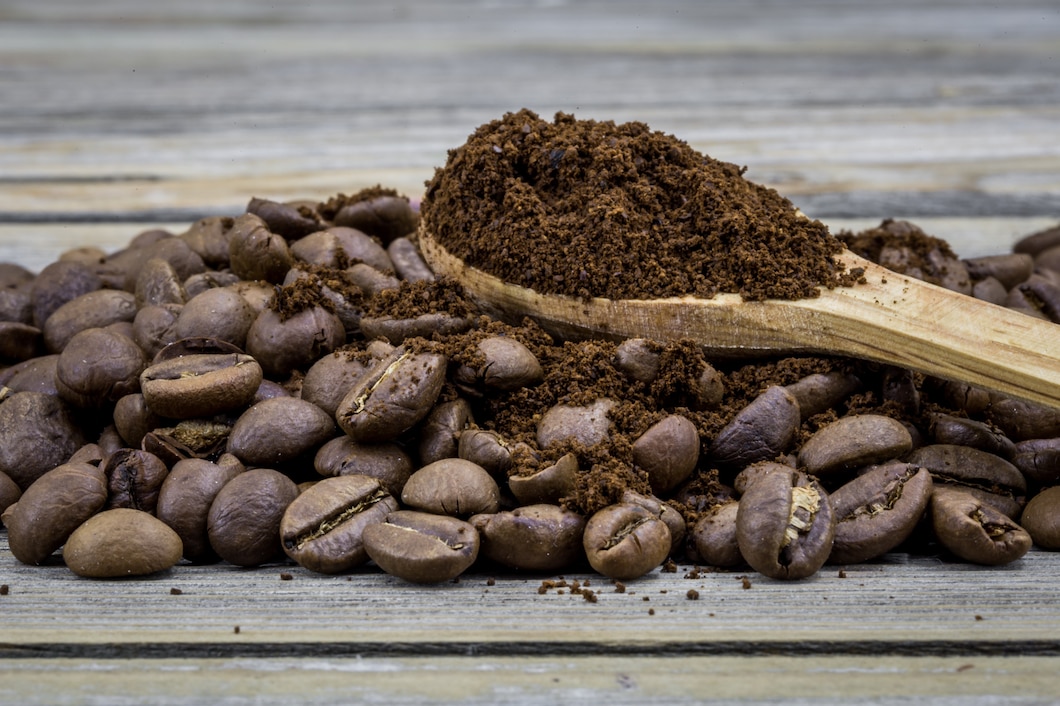
How To Dispose of Coffee Grounds: I’ll be honest: I used to treat coffee grounds as little more than a messy byproduct of my morning ritual. I’d dump them in the trash without a second thought. But over time, I realized that these leftover grounds are not only biodegradable but also packed with potential uses. Disposing of them responsibly can make a surprising difference for the environment, my garden, and even my home. In this article, I’ll break down the best ways to dispose of coffee grounds, explore the environmental impact, and even challenge some conventional wisdom along the way.
1/ Understanding Coffee Grounds: More Than Waste
What’s in those leftover grounds?
Coffee grounds contain organic matter, nitrogen, phosphorus, and potassium, making them a valuable resource rather than just trash. I’ve learned that every tablespoon holds compounds that can enrich soil, repel pests, or even absorb odors. When grounds are tossed into landfills, they decompose anaerobically and release methane, a greenhouse gas far more potent than carbon dioxide. This means that simply tossing them away contributes to environmental harm—a fact many of us overlook. Personally, knowing this made me rethink my disposal habits entirely.
2/ Composting Coffee Grounds: Turning Waste into Gold
How to maximize nutrient recycling
Composting is my favorite method because it’s simple, effective, and sustainable. I mix used coffee grounds with carbon-rich materials like dry leaves or shredded newspaper to maintain the proper C:N ratio. Too many coffee grounds alone can make a compost pile dense and acidic, slowing decomposition. Research shows that coffee grounds typically have a carbon-to-nitrogen ratio of 20:1, which complements other compost ingredients. Within weeks, I’ve seen compost turn dark and crumbly, rich in nutrients ready to enhance my vegetable garden.
3/ Coffee Grounds in the Garden: Fertilizer and Pest Deterrent
Using grounds directly for soil enrichment
I often sprinkle coffee grounds around plants like tomatoes, roses, and blueberries. The nitrogen helps plants grow greener leaves, while the grounds’ coarse texture deters slugs and snails. Some studies suggest that grounds can even improve soil structure, promoting better water retention. However, I learned that too much can create a dense, water-repellent layer, so moderation is key. I typically apply no more than 2–3 tablespoons per plant per week. It’s a fine balance, but when done right, it’s like giving my garden a gentle, natural energy boost.
4/ Odor Absorption and Household Uses
Repurposing grounds inside the home
I’ve been surprised at how coffee grounds absorb odors. Placing a small bowl of dried grounds in the fridge or freezer neutralizes unpleasant smells. I also rub grounds on my hands after chopping garlic or onions, effectively removing residual odors. Beyond that, I’ve experimented with using coffee grounds as a scrubbing agent for pots, pans, and even bathroom surfaces. It’s gritty enough to help remove grime without scratching surfaces, making it an eco-friendly alternative to chemical cleaners.
5/ Coffee Grounds for Beauty and Personal Care
Scrubs, masks, and exfoliation
I discovered coffee grounds are more than practical—they’re indulgent. They can exfoliate skin, reduce the appearance of cellulite, and even stimulate circulation when used as a scrub. I combine a few tablespoons with coconut oil to make a DIY coffee scrub. Interestingly, caffeine is believed to temporarily tighten skin and reduce puffiness, making this a dual-purpose beauty tool. Of course, it’s not a miracle, but it’s a small, natural luxury that reuses what would otherwise go to waste.
6/ Environmental Considerations
Why disposal matters beyond convenience
When I think about coffee grounds disposal, I can’t ignore the bigger picture. Millions of tons of coffee grounds end up in landfills annually, contributing to methane emissions. Even if they’re a minor fraction of total waste, small actions matter. Using grounds for compost, gardening, or household tasks reduces landfill contributions and lowers one’s carbon footprint. I’ve also experimented with giving excess grounds to neighbors or local farms, creating a community-based recycling system that amplifies the impact.
7/ Creative and Commercial Uses of Coffee Grounds
Beyond the backyard
Coffee grounds are now used commercially in biodegradable packaging, biofuels, and even cosmetics. I’ve read that researchers are exploring grounds as a sustainable alternative for making activated charcoal. While I’m not producing biofuel at home, I find it fascinating that something we discard daily can have industrial and environmental applications. It challenges the notion that waste has zero value, reminding me that innovation often starts with rethinking the ordinary.
8/ My Personal Method: Balancing Practicality and Sustainability
How I handle my coffee grounds
Over time, I’ve developed a system: I collect used coffee grounds in a dedicated container, let them dry slightly to prevent mold, and then decide: compost, garden, or household use. I avoid sending them to the trash unless unavoidable. This approach balances convenience with sustainability and ensures that every cup of coffee contributes positively, even after I’ve enjoyed it. I encourage anyone to experiment with different disposal methods to find a routine that works for both their lifestyle and the environment.
FAQs
- Can I put coffee grounds in my regular trash?
Yes, but it’s less sustainable. Grounds in landfills produce methane, contributing to greenhouse gas emissions. - Are coffee grounds safe for composting?
Absolutely. Coffee grounds are rich in nitrogen and compost well when mixed with carbon-rich materials. - How much coffee grounds can I use in my garden?
Moderation is key—usually 2–3 tablespoons per plant per week works best to avoid soil compaction. - Can coffee grounds repel pests?
Yes, they can deter slugs, snails, and some insects due to their texture and compounds. - Can I use coffee grounds in beauty routines?
Yes. They are effective exfoliants and can be mixed with oils for scrubs. - How long can I store used coffee grounds before using them?
Dry them and store in a sealed container. They remain usable for up to 2 weeks at room temperature or longer in the fridge.