
How To Use Reusable K Cup: The Method I Wish I Knew Before Wasting So Much Coffee
Why My First Reusable K Cup Brew Tasted Completely Off
How To Use Reusable K Cup: When I first switched to a reusable K Cup, I expected the same convenience as regular pods—just cheaper and more sustainable. But the first few cups were disappointing. One tasted weak and watery, another came out bitter and over-extracted. It felt inconsistent, almost unpredictable.
That experience made me realize something important. A reusable K Cup isn’t just a replacement—it requires a different mindset. Unlike pre-measured pods, you control the grind, the amount, and the packing. And once I understood those variables, the results changed dramatically.
1. What Is a Reusable K Cup and Why It Works Differently
Understanding the Design
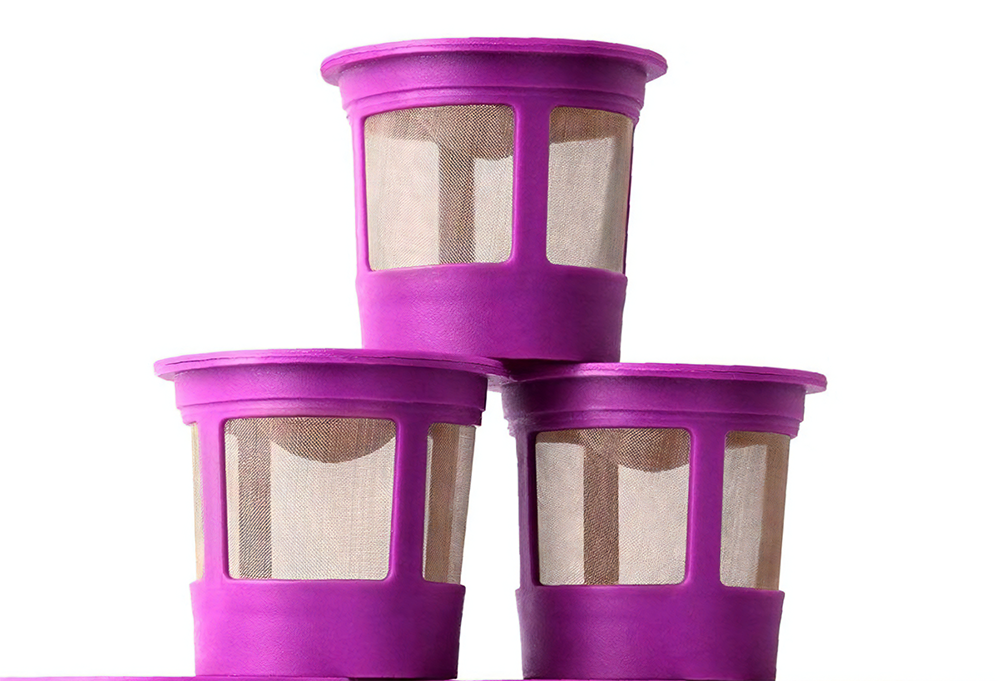
A reusable K Cup is a refillable filter designed to fit into Keurig machines. Instead of using pre-filled pods, I add my own ground coffee.
Most reusable K Cups are made with:
- A plastic or stainless steel frame
- A fine mesh filter
- A lid that seals during brewing
Why It Produces Different Results
Unlike pre-packaged pods that contain ~9–12 grams of precisely ground coffee, reusable K Cups depend entirely on how I prepare them.
This means the outcome isn’t standardized. It’s flexible, but also more sensitive to mistakes.
A Subtle Insight
What initially felt like a downside—lack of consistency—actually becomes a strength once you learn how to control it.
2. How Much Coffee to Use in a Reusable K Cup
The Ideal Measurement
For most reusable K Cups, I use:
- 2 to 2.5 tablespoons of coffee
- Or about 10–14 grams
Why This Range Works
This amount fills the filter without overcrowding it, allowing water to flow evenly through the grounds.
What Happens If You Get It Wrong
- Too little coffee: weak, under-extracted brew
- Too much coffee: restricted flow, bitterness, or even machine errors
My Practical Adjustment
I’ve learned to start with 12 grams and adjust slightly depending on the bean and roast level.
3. Grind Size: The Most Overlooked Factor
The Right Grind for Keurig Machines
A medium to medium-coarse grind works best. It’s similar to what you’d use for drip coffee.
Why Grind Size Matters
Keurig machines brew quickly—usually in under a minute. If the grind is too fine, water struggles to pass through, causing over-extraction and bitterness.
If it’s too coarse, water flows too fast, resulting in weak coffee.
A Mistake I Made Early On
I once used espresso-fine grounds and ended up with a harsh, muddy cup. That single mistake taught me how critical grind size really is.
4. How to Fill and Pack the Reusable K Cup Properly
Filling Technique
I fill the K Cup until it’s nearly full, but I don’t compress the coffee.
Why Packing Matters
Tamping or pressing the grounds reduces airflow, which disrupts extraction.
The Right Approach
I gently shake the K Cup to level the grounds instead of pressing them down.
A Counterintuitive Insight
At first, I thought packing tightly would make stronger coffee. In reality, it often makes things worse by blocking proper extraction.
5. Water Flow and Brew Size: Choosing the Right Setting
Brew Size Options
Most Keurig machines offer sizes like:
- 6 oz (stronger)
- 8 oz (balanced)
- 10–12 oz (lighter)
How Brew Size Affects Flavor
The same amount of coffee produces different results depending on water volume.
My Preferred Setting
I usually choose 6–8 oz for a balanced cup. Larger sizes can dilute the flavor unless I increase the coffee amount.
Why This Matters
Reusable K Cups don’t automatically adjust for brew size. That responsibility falls entirely on you.
6. Cleaning and Maintenance: The Step That Affects Taste More Than Expected
Daily Cleaning
After each use, I rinse the filter thoroughly to remove oils and residue.
Deep Cleaning
Once a week, I soak it in warm water with mild soap to prevent buildup.
Why It Matters
Coffee oils can accumulate and create a stale or bitter taste over time.
A Realization I Didn’t Expect
I used to focus only on brewing technique, but cleanliness plays an equally important role in flavor consistency.
7. Cost and Sustainability: Why I Made the Switch
Cost Savings
Reusable K Cups significantly reduce cost.
- Single-use pod: $0.50–$1.00 per cup
- Ground coffee: $0.15–$0.30 per cup
Environmental Impact
Reusable K Cups eliminate plastic waste from disposable pods.
A Balanced Perspective
While reusable options are more sustainable, they require more effort. Convenience decreases slightly, but control increases.
For me, the trade-off is worth it—but it’s not for everyone.
8. Final Thoughts: Control Is the Real Advantage
Using a reusable K Cup isn’t just about saving money or reducing waste. It’s about taking control of your coffee.
Once I understood the key variables—10–14 grams of coffee, medium grind, proper filling, and the right brew size—the results became consistent and satisfying.
What started as a frustrating experiment turned into a more intentional way of brewing. And in a way, that’s what makes the difference. It’s no longer just pressing a button—it’s crafting a cup that actually reflects your preference.
FAQs
1. How much coffee should I put in a reusable K Cup?
About 2 to 2.5 tablespoons (10–14 grams) works best.
2. What grind size is ideal for reusable K Cups?
A medium to medium-coarse grind is recommended.
3. Can I use finely ground coffee?
You can, but it may cause clogging and bitterness.
4. Why is my coffee weak with a reusable K Cup?
You may be using too little coffee or too coarse a grind.
5. Can I use any coffee with a reusable K Cup?
Yes, any ground coffee works, which gives you more flexibility.
6. How often should I clean my reusable K Cup?
Rinse after every use and deep clean weekly.
7. Is a reusable K Cup better than regular pods?
It offers more control and sustainability, but requires more effort.