Truth: Is Coffee Vegan? Can Vegans Drink Coffee?
The Question I Didn’t Expect to Overthink About Coffee
I used to think coffee was one of the safest choices for anyone following a vegan lifestyle. It comes from a plant, it’s brewed with water, and that seemed like the end of the discussion. But the more I paid attention to how coffee is grown, processed, and served, the more complicated the answer became.
At some point, I realized this wasn’t just a yes-or-no question. It was about definitions, production methods, and even personal values. And once I started looking deeper, I saw that coffee sits in a gray area that most people don’t talk about.
1. Is Coffee Vegan at Its Core? The Straightforward Answer
Plant-Based Origin
Coffee beans come from the seeds of the coffee plant, making them inherently plant-based.
Basic Brewing Ingredients
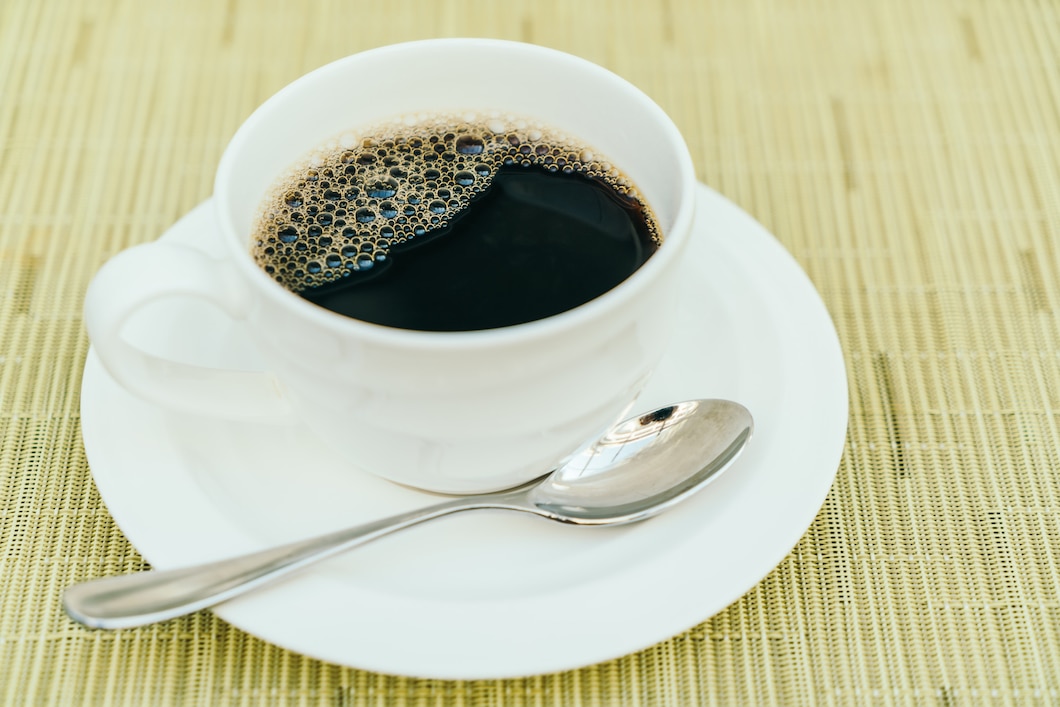
A simple cup of black coffee contains:
- Coffee grounds
- Water
Conclusion at the Surface Level
By strict definition, black coffee is 100% vegan.
A Simple Insight
If I’m only considering ingredients, there’s no conflict. Coffee itself doesn’t contain any animal-derived components.
2. Why the Question Exists: It’s Not Just About Ingredients
Processing and Production Concerns
Some debates arise from how coffee is processed or farmed.
Fertilizers and Farming Practices
Certain farms may use animal-based fertilizers, which raises ethical questions for some vegans.
Industry Realities
Globally, coffee production involves complex agricultural systems, and not all are strictly plant-based.
A Thoughtful Counterpoint
Some argue that if farming practices involve animal inputs, the product isn’t fully vegan. Others believe that indirect involvement doesn’t disqualify it. I find myself somewhere in between—it depends on how strictly one defines veganism.
3. Coffee Add-Ins: Where Things Stop Being Vegan
Common Non-Vegan Additions
- Dairy milk
- Cream
- Whipped cream
Hidden Ingredients
Some flavored syrups or toppings may contain:
- Milk derivatives
- Honey
A Practical Example
A plain black coffee is vegan, but a latte made with dairy milk is not.
What I Realized
The base drink is rarely the issue. It’s what we add to it that changes everything.
4. Vegan-Friendly Alternatives: What I Personally Use
Plant-Based Milk Options
- Almond milk
- Oat milk
- Soy milk
- Coconut milk
Sweeteners
- Sugar (generally vegan, though some debate exists)
- Maple syrup
- Agave
Why These Work
They maintain the flavor while aligning with vegan principles.
A Subtle Insight
Switching to plant-based options didn’t feel like a compromise. In some cases, like oat milk, it actually enhanced the texture and taste.
5. Specialty Coffees: The Gray Areas Most People Miss
Unusual Processing Methods
Some rare coffee types involve animals, such as beans processed through digestion.
Ethical Concerns
These methods raise questions about animal welfare and exploitation.
Why It Matters
Even if the final product is plant-based, the process may not align with vegan values.
A Balanced Perspective
Not all vegans avoid these products, but many do. It highlights how veganism often extends beyond ingredients into ethics.
6. Cross-Contamination and Shared Equipment
Café Environment Reality
Coffee shops often use the same equipment for both dairy and plant-based drinks.
What This Means
Trace amounts of milk may be present in vegan drinks.
Does It Matter?
This depends on personal preference and strictness.
A Personal Reflection
I’ve learned that absolute purity is difficult in shared environments. For me, intention matters more than trace exposure.
7. Health Perspective: Does Vegan Coffee Differ?
Nutritional Content of Black Coffee
- Calories: ~2 per cup
- No fat, no protein
With Plant-Based Additions
- Oat milk: adds ~120 calories per cup (depending on brand)
- Almond milk: lower calorie, around 30–60 calories per cup
What I Noticed
Switching to plant-based milk didn’t just align with values—it also changed the nutritional profile.
A Subtle Insight
Vegan coffee isn’t just about ethics. It can also shift how the drink fits into your diet.
8. Final Thoughts: Coffee Is Vegan—But the Details Matter
At its core, coffee is vegan. It comes from a plant and contains no animal-derived ingredients when consumed black.
But the deeper I looked, the more I realized that the answer depends on perspective. Farming practices, processing methods, additives, and even preparation environments all play a role.
For me, the conclusion is simple but layered. Coffee itself fits within a vegan lifestyle. What matters is how it’s grown, prepared, and consumed.
And maybe that’s the real takeaway. It’s not just about what coffee is—it’s about how intentional we are with it.
FAQs
1. Is black coffee vegan?
Yes, black coffee is 100% vegan.
2. Can vegans drink coffee daily?
Yes, as long as it doesn’t include non-vegan additives.
3. Is coffee processed with animal products?
Usually no, but some farming practices may involve animal-based fertilizers.
4. Are coffee creamers vegan?
Some are plant-based, but many contain dairy—check the label.
5. Is honey in coffee vegan?
No, most vegans avoid honey.
6. Can vegans drink flavored coffee?
Yes, if the flavorings don’t contain animal-derived ingredients.
7. Are coffee shop drinks always vegan?
Not always—cross-contamination and ingredients can vary.