What is Breve?
What is Breve? The first time I heard someone order a “breve,” I assumed it was just another fancy coffee name—something complicated that probably tasted like a latte with a different label. But when I actually tried it, I realized it wasn’t just a naming variation. It had a completely different texture, weight, and richness that caught me off guard.
Since then, I’ve come to see breve as one of those drinks that sits quietly in coffee culture—less mainstream, but surprisingly distinctive once you understand what’s really going on behind it.
What Exactly Is a Breve Coffee?
A simple definition with deeper implications —
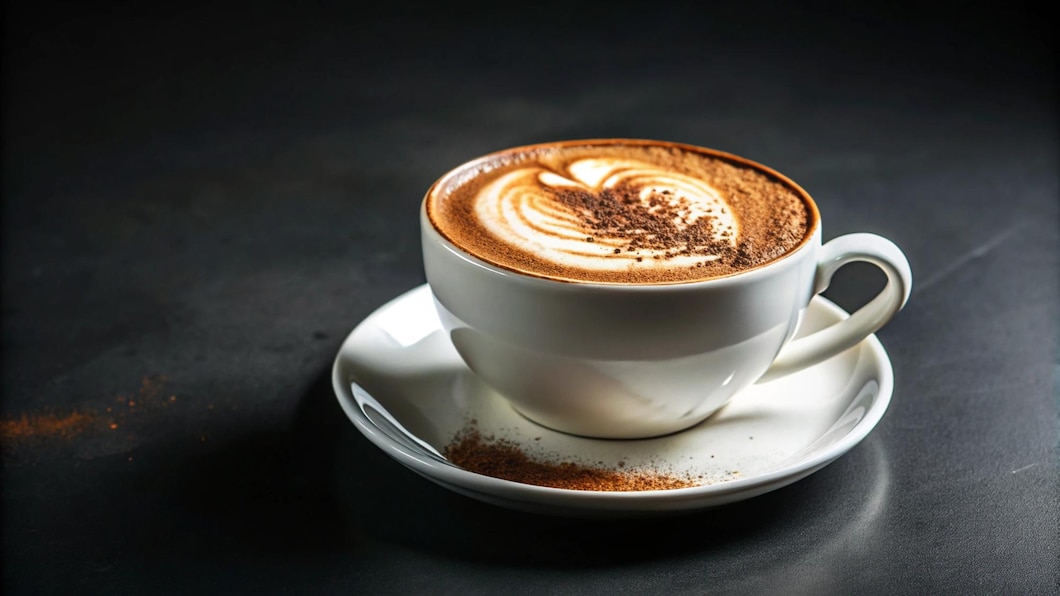
At its core, a breve (often called a “caffè breve”) is an espresso-based drink made with steamed half-and-half instead of milk. That’s the key distinction. While a latte uses regular milk and a cappuccino balances milk foam and espresso, a breve replaces that milk entirely with a richer dairy mixture.
Half-and-half is typically a blend of whole milk and heavy cream, containing about 10–12% fat, compared to whole milk’s 3–4%. That difference might sound small on paper, but in practice, it completely changes the drink.
When I drink a breve, I notice immediately that it feels heavier on the palate. It’s creamier, smoother, and naturally sweeter—even without added sugar. That sweetness comes from the fat content enhancing flavor perception rather than actual sugar levels increasing dramatically.
So while the recipe is simple, the outcome is anything but ordinary.
How a Breve Differs from a Latte and Cappuccino
Understanding the subtle but important distinctions —
At first glance, a breve can look almost identical to a latte. Both are espresso drinks with a creamy top layer. But once I pay attention, the differences become obvious.
A standard latte typically uses about 8–10 ounces of steamed milk with 1–2 shots of espresso. The texture is smooth but relatively light. A cappuccino, on the other hand, uses equal parts espresso, steamed milk, and foam, creating a lighter, airier drink.
A breve sits in a different category. Because of the higher fat content, the foam is thicker and more velvety. It doesn’t create the same airy structure as a cappuccino, but instead forms a dense, creamy layer.
From a taste perspective:
- Latte: balanced and mild
- Cappuccino: bold with airy texture
- Breve: rich, creamy, almost indulgent
It’s not just a variation—it’s a shift in how the drink feels and lingers.
The Science Behind Its Rich Texture
Why fat changes everything —
What fascinates me most about breve is how much fat influences the drinking experience.
Fat molecules coat the tongue, which reduces the perception of bitterness. This is why espresso in a breve tastes smoother compared to the same espresso in a latte. Even if the coffee itself is strong, the drink feels mellow.
Half-and-half also creates a different type of microfoam. Because of its fat content, it produces a denser, more stable foam compared to regular milk. This contributes to that signature velvety mouthfeel.
There’s also a caloric implication. A typical 12-ounce breve can contain around 300–450 calories, depending on proportions. That’s significantly higher than a latte, which usually ranges from 120–200 calories.
So the richness isn’t just sensory—it’s chemical and nutritional as well.
How I Make a Breve at Home
Practical method with real-world adjustments —
Making a breve at home is surprisingly straightforward, but there are a few details I’ve learned to respect.
I start with 1–2 shots of espresso. Then I heat half-and-half to about 150–160°F (65–70°C). I avoid overheating because cream scorches more easily than milk.
When steaming, I aim for a smooth, velvety texture rather than large bubbles. The goal isn’t a thick foam cap, but a cohesive, creamy body.
If I don’t have an espresso machine, I use strong brewed coffee as a substitute. It’s not identical, but it still delivers a satisfying result.
One thing I’ve learned: less is more. Because breve is so rich, I often use slightly less liquid than I would for a latte. Otherwise, it can feel overwhelming.
When a Breve Makes Sense (And When It Doesn’t)
Context matters more than preference —
I don’t drink breve every day. In fact, I treat it more like an occasional indulgence.
It works best when I want something comforting and filling—almost like a hybrid between coffee and dessert. On cold mornings, it feels especially satisfying.
But there are situations where it doesn’t make sense. If I’m looking for a quick caffeine boost without heaviness, breve can feel too rich. It’s also not ideal if I’m watching calorie intake.
There’s also a cultural angle. In many traditional coffee cultures, simplicity is valued. Espresso or black coffee dominates. In that context, breve can feel excessive.
So while I enjoy it, I see it as situational rather than essential.
Common Variations of Breve Drinks
Exploring beyond the basic version —
Once I started experimenting, I realized breve is more of a foundation than a fixed recipe.
Some popular variations include:
- Breve latte: essentially the standard version with half-and-half
- Vanilla breve: adding flavored syrup for sweetness
- Iced breve: served cold, which highlights its creamy texture differently
I’ve also tried using alternative creams, like plant-based creamers. The results vary widely. Some mimic the richness well, while others fall short.
What I find interesting is how adaptable breve is. It can lean toward dessert or remain relatively simple, depending on how it’s prepared.
A Slight Critique: Is Breve Overrated?
A balanced perspective worth considering —
As much as I enjoy breve, I think it’s worth questioning whether it’s always necessary.
Some people treat it as a “premium” version of a latte, but I’m not entirely convinced. In many cases, the added richness can mask the quality of the espresso. A high-quality bean with subtle notes might lose its character under the weight of cream.
There’s also the calorie factor. For something that’s often consumed daily, the difference adds up quickly.
In my experience, breve is at its best when used intentionally—not as a default choice, but as a deliberate change of pace.
My Personal Take on Breve Coffee
Where it fits in my routine —
Over time, I’ve come to appreciate breve as a specialty drink rather than a staple.
I enjoy it when I want something indulgent without going all the way to a dessert beverage. It sits in that middle ground—richer than a latte, but still grounded in coffee.
At the same time, I remain aware of its limitations. It’s not the best choice for showcasing coffee quality, and it’s not something I reach for every day.
If I had to summarize it, I’d say this: breve isn’t better than other coffee drinks—it’s just different. And sometimes, that difference is exactly what I’m looking for.
FAQs
- What does “breve” mean in coffee?
It refers to using half-and-half instead of milk in an espresso-based drink. - Is breve stronger than a latte?
Not necessarily in caffeine, but it feels richer and heavier due to higher fat content. - How many calories are in a breve?
A typical 12-ounce breve contains around 300–450 calories. - Can I make a breve without an espresso machine?
Yes, I can use strong brewed coffee as a substitute. - Is breve sweeter than a latte?
It tastes sweeter due to fat enhancing flavor, even without added sugar.