
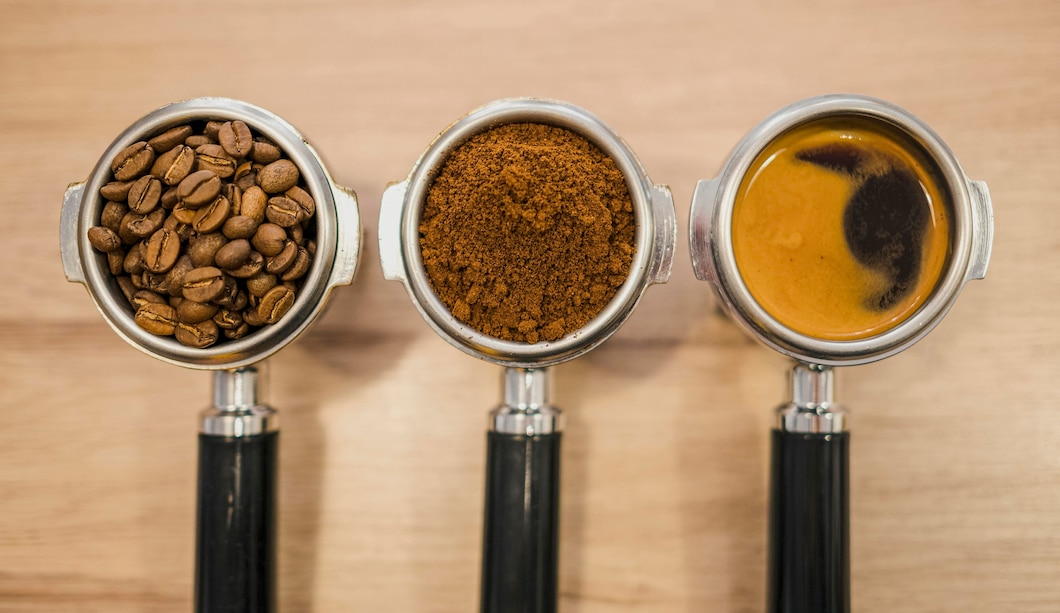
How Much Coffee For 4 Cups: The Ratio I Had to Learn the Hard Way
Why My “4 Cups” Never Tasted the Same Twice
How Much Coffee For 4 Cups: I used to think making four cups of coffee was simple. Scoop some grounds, pour water, and let the machine do its job. But somehow, the result kept changing. One day it was too weak, the next day overly bitter. The problem wasn’t the beans or the machine—it was my inconsistency in measurement.
That’s when I realized something most people overlook. Brewing coffee isn’t just about quantity; it’s about ratio. And once I understood the exact relationship between coffee and water, everything became more predictable, more balanced, and honestly, more enjoyable.
1. The Standard Answer: How Much Coffee for 4 Cups?
Understanding “4 Cups” in Coffee Terms
Here’s the first thing that confused me. In coffee makers, 1 cup is usually 5–6 ounces, not the standard 8-ounce cup we use in daily life.
So when we say 4 cups, we’re typically talking about:
- 20–24 ounces of water
The Golden Ratio
The widely accepted coffee brewing ratio is 1:15 to 1:18 (coffee to water).
For 4 cups, that translates to:
- 4 to 5 tablespoons of coffee (about 20–28 grams)
- 20–24 ounces (600–700 ml) of water
Why This Ratio Works
This balance extracts enough flavor without over-extracting bitterness. It’s not arbitrary—it’s based on how soluble compounds dissolve from coffee grounds during brewing.
2. Tablespoons vs Grams: Why Precision Matters More Than I Thought
The Problem with Tablespoons
I used tablespoons for years because it felt convenient. But coffee grounds vary in density depending on grind size and roast level.
One tablespoon can weigh anywhere from 5 to 7 grams, which creates inconsistency.
Why Grams Are More Reliable
Using a scale gives you accuracy:
- Light roast: slightly denser
- Dark roast: slightly less dense
By measuring 20–28 grams, I get consistent results every time, regardless of the beans.
A Practical Insight
If you want reliable coffee, grams matter more than spoons. It’s a small shift that makes a noticeable difference.
3. Adjusting Strength: Not Everyone Wants the Same Cup
Milder Coffee Ratio
If I want a lighter, smoother cup, I use:
- 1:18 ratio (around 20 grams for 4 cups)
Stronger Coffee Ratio
For a bolder flavor:
- 1:15 ratio (around 28 grams for 4 cups)
Finding Personal Preference
What surprised me is how small changes in ratio can drastically alter taste. Just a few grams can shift the balance from weak to rich.
This is where brewing becomes personal. The “correct” ratio is just a starting point, not a rule.
4. Grind Size: The Hidden Variable That Changes Everything
Why Grind Size Matters
Even with the perfect ratio, grind size affects extraction:
- Coarse grind: slower extraction, lighter flavor
- Fine grind: faster extraction, stronger and sometimes bitter
For 4 Cups in a Drip Coffee Maker
A medium grind works best. It allows water to flow evenly and extract balanced flavors.
A Common Mistake I Made
I once used a fine grind in a drip machine and couldn’t figure out why the coffee tasted harsh. It wasn’t the ratio—it was the grind.
This taught me that ratio and grind size must work together.
5. Water Quality and Temperature: The Overlooked Factors
Water Temperature Range
Ideal brewing temperature is 195°F to 205°F (90°C to 96°C).
Too hot, and you extract bitterness. Too cool, and the coffee tastes weak.
Water Quality Matters
Coffee is about 98% water, so impurities affect taste. Using filtered water improves clarity and flavor.
Why This Matters More Than Expected
I used to focus only on coffee beans, but water plays an equally important role. Even with the right ratio, poor water can ruin the result.
6. Different Brewing Methods, Same 4 Cups
Drip Coffee Maker
- 4–5 tablespoons coffee
- Medium grind
- Automatic extraction
French Press
- Same ratio, but coarser grind
- Steep for 4 minutes
Pour-Over
- Slightly finer grind than drip
- More control over pouring and extraction
What I Learned from Switching Methods
The amount of coffee stays similar, but the technique changes the flavor profile. This shows that brewing is not just about quantity—it’s about method.
7. Common Mistakes When Brewing 4 Cups
Using Too Much Coffee
This leads to over-extraction and bitterness.
Using Too Little Coffee
Results in weak, underwhelming flavor.
Ignoring Measurement Consistency
Eyeballing the amount creates unpredictable results.
A Subtle Counterpoint
Some people believe strong coffee simply means adding more grounds. I don’t fully agree. Strength should come from balance, not excess. Too much coffee can actually reduce clarity and make the drink less enjoyable.
8. Final Thoughts: It’s Not Just About Quantity, It’s About Control
Making 4 cups of coffee seems simple, but it’s surprisingly nuanced. The right amount—20 to 28 grams of coffee for 20–24 ounces of water—is just the starting point.
What really matters is how all the variables work together: ratio, grind size, water quality, and brewing method.
Once I started paying attention to these details, my coffee stopped being inconsistent. It became intentional. And that shift turned a daily routine into something I actually look forward to.
FAQs
1. How many tablespoons of coffee for 4 cups?
Typically 4 to 5 tablespoons, depending on how strong you like it.
2. How many grams of coffee for 4 cups?
About 20–28 grams, based on a 1:15 to 1:18 ratio.
3. Is a coffee maker cup the same as a regular cup?
No, a coffee maker cup is usually 5–6 ounces, not 8 ounces.
4. Can I make stronger coffee by adding more grounds?
Yes, but too much can lead to bitterness. Adjust carefully.
5. What grind size should I use?
A medium grind works best for most drip coffee makers.
6. Does water quality affect coffee taste?
Yes, since coffee is mostly water, using filtered water improves flavor.