Mocha vs Latte: Where Chocolate Changes the Coffee Experience
The Moment I Realized Not All Milk Coffee Is the Same
Mocha vs Latte: For years, I rotated between mocha and latte without thinking much about it. Both looked similar in the cup—smooth, creamy, comforting. But one day, after switching from a latte to a mocha using the same espresso beans, I noticed something unexpected. The flavor profile didn’t just shift slightly—it transformed entirely.
That’s when I started paying closer attention. A mocha isn’t just a latte with chocolate added. And a latte isn’t just a “simpler” mocha. Each drink follows a different logic, balancing sweetness, bitterness, and texture in its own way. Understanding that difference changed how I order, how I taste, and even how I judge a well-made cup of coffee.
1. What Is a Latte? Simplicity Built on Balance
A Clean Composition
A latte is one of the most straightforward espresso drinks. It typically contains 1–2 shots of espresso (about 1–2 ounces) combined with 6–8 ounces of steamed milk, finished with a thin layer of microfoam.
What stands out to me is how little there is to hide behind. There are no additional flavors—just coffee and milk. That simplicity makes the latte a kind of baseline for evaluating espresso quality.
Why It Feels Familiar
The high milk ratio softens the espresso, reducing bitterness and acidity. This creates a smooth, approachable flavor that works well for daily drinking.
But here’s something I didn’t appreciate at first. The simplicity of a latte doesn’t make it easy to perfect. In fact, it demands precision. If the espresso is off, or the milk is overheated, the flaws become immediately noticeable.
2. What Is a Mocha? A Layered Flavor Experience
Adding Chocolate to the Equation
A mocha builds on the latte formula by introducing chocolate—usually in the form of cocoa powder, chocolate syrup, or melted chocolate.
A typical mocha includes:
- 1–2 shots of espresso
- 6–8 ounces of milk
- 1–2 tablespoons of chocolate (around 15–30 grams)
This addition changes the drink fundamentally. It’s no longer just about balancing coffee and milk—it becomes a three-way interaction between bitterness, sweetness, and creaminess.
Why It Feels More Indulgent
To me, a mocha feels closer to a dessert than a standard coffee. The chocolate adds depth but also sweetness, which can mask some of the sharper notes of espresso.
This leads to an interesting tension. While mochas are often dismissed as less “serious,” they actually introduce more variables—quality of chocolate, sugar levels, and how well the flavors integrate.
3. The Core Difference: Flavor Structure and Intent
Latte: Highlighting Coffee
In a latte, the goal is to soften espresso without overpowering it. The milk acts as a buffer, not a dominant flavor.
Mocha: Creating a New Flavor Profile
In a mocha, the goal shifts. It’s no longer about highlighting espresso alone, but about blending it with chocolate to create something new.
A Subtle Counterpoint
Many people assume mochas are just “sweeter lattes.” I don’t think that’s accurate. A well-made mocha isn’t just sweeter—it’s structurally different. The chocolate doesn’t just add sugar; it adds bitterness, complexity, and body.
So the difference isn’t just in taste—it’s in intention.
4. Sweetness and Calories: What the Numbers Reveal
Latte Nutrition Profile
A standard 12-ounce latte typically contains:
- 120–180 calories (depending on milk type)
- 10–14 grams of natural milk sugars
Mocha Nutrition Profile
A mocha of the same size often contains:
- 250–350 calories
- 25–35 grams of sugar
The difference is significant. The added chocolate nearly doubles the sugar content in many cases.
Why This Matters Beyond Dieting
I used to think of this purely in terms of calories, but there’s more to it. Higher sugar levels can mask subtle coffee flavors, making it harder to distinguish bean quality.
That said, I don’t think this automatically makes mochas “worse.” It just means they serve a different purpose—more about enjoyment than analysis.
5. Texture and Mouthfeel: Smooth vs Rich
Latte Texture
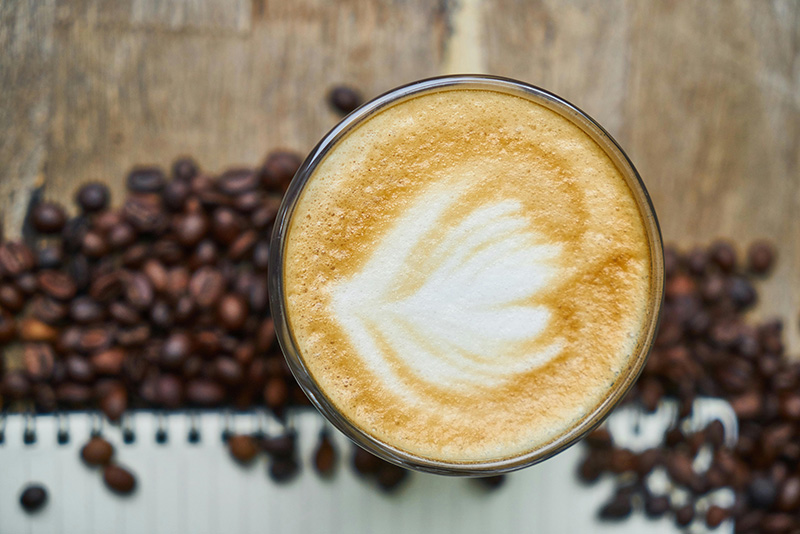
A latte has a light, creamy texture with a thin layer of microfoam. It feels smooth but not heavy.
Mocha Texture
A mocha tends to be thicker and richer, especially when real chocolate is used. The added cocoa solids increase viscosity, giving the drink a fuller body.
How Texture Influences Perception
Texture changes how flavors are experienced. A lighter drink like a latte feels clean and refreshing. A mocha feels dense and satisfying.
I’ve noticed that on a hot day, I naturally lean toward a latte. On colder days, the richness of a mocha feels more appropriate. The choice isn’t just about taste—it’s about how the drink feels physically.
6. Caffeine Content: Not as Different as You Might Think
Breaking the Assumption
Many people assume mochas contain more caffeine because they taste stronger or richer.
The Reality
Caffeine content depends on the espresso shots:
- Single shot: ~63 mg of caffeine
- Double shot: ~126 mg of caffeine
Both mochas and lattes typically use the same number of shots, so their caffeine levels are usually identical.
Why Perception Can Be Misleading
Chocolate does contain a small amount of caffeine—about 5–10 mg per serving—but it’s negligible compared to espresso.
The richer taste of a mocha can create the illusion of higher caffeine, even when that’s not the case.
7. When I Choose Mocha vs Latte in Real Life
Choosing a Latte
I go for a latte when I want something simple and reliable. It’s my default when I want to taste the coffee without distractions.
Choosing a Mocha
I choose a mocha when I want something comforting or indulgent. It’s less about analyzing flavor and more about enjoying the experience.
A Thoughtful Pushback
There’s a tendency to rank these drinks, with lattes seen as more “authentic.” I don’t fully agree. A well-made mocha can be just as complex, just in a different way.
Sometimes, complexity doesn’t come from purity—it comes from layering flavors thoughtfully.
8. Final Thoughts: Two Drinks, Two Different Mindsets
After spending time comparing the two, I’ve come to see mocha and latte as representing different approaches to coffee.
The latte is about clarity, balance, and simplicity. The mocha is about richness, layering, and indulgence. Neither is inherently better—they just serve different moods and purposes.
If there’s one thing I’ve learned, it’s that understanding these differences doesn’t limit your choices. It actually expands them. You start choosing your drink not just based on habit, but based on what you want from the experience in that moment.
FAQs
1. Is a mocha sweeter than a latte?
Yes, a mocha is significantly sweeter due to the added chocolate.
2. Do mocha and latte have the same caffeine content?
Usually yes, if they use the same number of espresso shots.
3. Which drink has more calories?
A mocha typically has more calories because of the added chocolate and sugar.
4. Can I make a mocha without sugar?
Yes, using unsweetened cocoa powder can reduce sugar, though the drink will be more bitter.
5. Is a latte healthier than a mocha?
In terms of lower sugar and calories, a latte is generally considered the healthier option.
6. Which one is better for beginners?
A mocha is often more approachable because its sweetness masks coffee bitterness.
7. Can I customize both drinks with different milk types?
Yes, both can be made with dairy or plant-based milk, which will affect flavor and texture.