
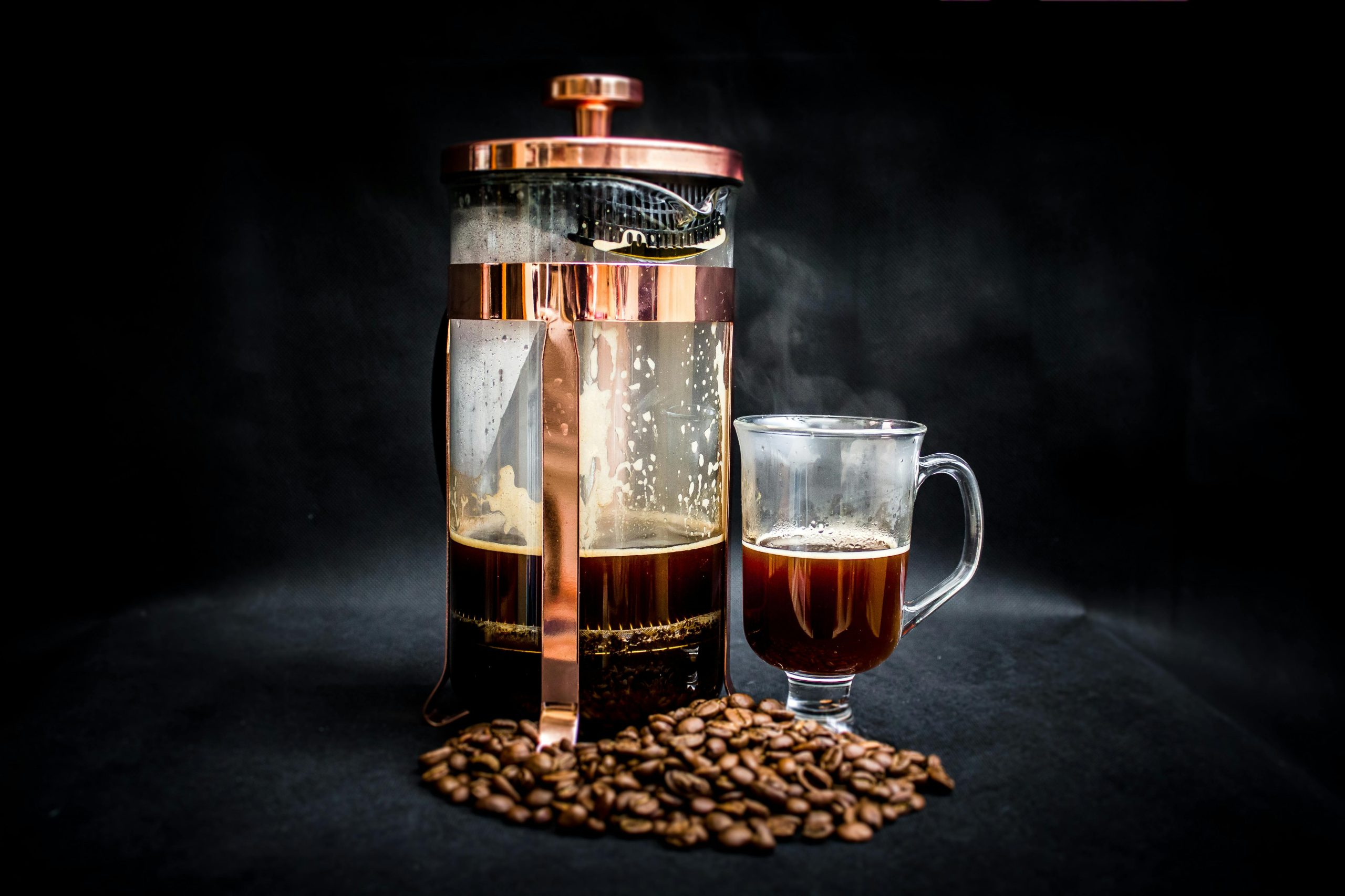
French Press Coffee Ratio – Let’s Explore to Make a Perfect Coffee!
The Moment I Realized My Coffee Wasn’t “Bad” — Just Unbalanced
French Press Coffee Ratio: I used to think my French press coffee tasted off because of the beans. Sometimes it was too bitter, other times strangely weak. I kept switching brands, grind sizes, even water sources. Nothing felt consistent. Then one morning, almost by accident, I adjusted the coffee-to-water ratio—and everything changed.
That was the moment I understood something fundamental: the ratio isn’t just a detail, it’s the backbone of the entire brew. Once I started treating it that way, my results became predictable, repeatable, and most importantly, enjoyable. But getting there required more than memorizing a number—it required understanding why that number works.
1. What Is the French Press Coffee Ratio?
Basic Definition
The French press coffee ratio refers to the proportion of coffee grounds to water used during brewing.
Standard Recommendation
The most widely accepted ratio is:
- 1:15 to 1:17 (coffee to water)
This means:
- 1 gram of coffee for every 15–17 grams (or milliliters) of water
Example Breakdown
- 20g coffee → 300–340ml water
- 30g coffee → 450–510ml water
A Foundational Insight
At first, this might seem like a technical detail, but I’ve learned it directly determines extraction strength, flavor clarity, and overall balance. It’s not optional—it’s structural.
2. Why the Ratio Matters More Than You Think
Extraction Balance
Too much coffee leads to over-extraction, causing bitterness.
Too little coffee results in under-extraction, making the brew taste sour or thin.
Flavor Consistency
A consistent ratio ensures that each cup tastes similar, regardless of other variables.
Control Over Strength
The ratio allows me to fine-tune intensity without changing brew time or grind size.
A Thoughtful Counterpoint
Some people argue that brewing should be intuitive rather than measured. I understand that sentiment. But in my experience, intuition works best after you’ve mastered the baseline—and ratio is that baseline.
3. Understanding Strength vs. Extraction (They’re Not the Same)
Strength
Refers to how concentrated the coffee is.
Extraction
Refers to how much flavor has been pulled from the grounds.
Why This Distinction Matters
I used to confuse these two concepts. Increasing coffee quantity doesn’t always fix bitterness—it can make it worse.
Practical Example
- Strong but balanced: proper ratio, correct brew time
- Strong but bitter: too much coffee or over-extraction
A Subtle Insight
Once I separated these ideas in my mind, adjusting my brew became much more precise.
4. Choosing the Right Ratio for Your Taste Preferences
For Strong Coffee
- Ratio: 1:12 to 1:14
- Result: bold, intense, heavier body
For Balanced Coffee
- Ratio: 1:15 to 1:16
- Result: smooth, well-rounded
For Lighter Coffee
- Ratio: 1:17 to 1:18
- Result: more delicate, less intense
A Personal Reflection
I’ve found that my preference changes depending on the time of day. In the morning, I lean toward stronger ratios. Later in the day, I prefer something lighter and easier to drink.
5. How Grind Size Interacts with Ratio
Recommended Grind
Coarse grind, similar to sea salt.
Why It Matters
A finer grind increases surface area, leading to faster extraction.
Interaction with Ratio
- Coarse grind + proper ratio = balanced extraction
- Fine grind + same ratio = risk of bitterness
A Practical Observation
Even with the perfect ratio, the wrong grind size can completely derail the result. Ratio and grind work together—they’re not independent variables.
6. Step-by-Step: My Go-To French Press Method
Step 1: Measure Coffee
I use 30 grams of coffee for a standard batch.
Step 2: Add Water
Pour 500 ml of water (ratio ~1:16).
Step 3: Bloom Phase
Wait 30–45 seconds after adding a small amount of water to release gases.
Step 4: Full Pour and Stir
Add remaining water and stir gently.
Step 5: Brew Time
Let it steep for 4 minutes.
Step 6: Press and Serve
Press slowly and pour immediately.
A Key Insight
The ratio sets the foundation, but timing and technique refine the outcome.
7. Common Mistakes That Disrupt the Perfect Ratio
Eyeballing Measurements
Leads to inconsistent results.
Ignoring Water Temperature
Ideal range: 195–205°F.
Letting Coffee Sit Too Long
Over-extraction occurs if not poured promptly.
Using Incorrect Ratios for Different Beans
Dark roasts may require slight adjustments due to higher solubility.
A Realization
Most brewing issues I experienced weren’t due to the beans—they were due to small inconsistencies in measurement and process.
8. Final Thoughts: The Ratio Is a Starting Point, Not a Rulebook
After experimenting with different ratios, I’ve come to see them less as strict rules and more as reliable starting points.
The “perfect” French press coffee isn’t defined by a universal number. It’s shaped by personal taste, bean origin, roast level, and even mood. But without a solid ratio, it’s almost impossible to explore those variables meaningfully.
In a way, the ratio gives structure to creativity. It allows me to experiment without getting lost.
And once I understood that, making great coffee stopped feeling random—and started feeling intentional.
FAQs
1. What is the best French press coffee ratio?
Typically 1:15 to 1:17 for balanced flavor.
2. How much coffee for 1 cup of French press?
About 15–17 grams of coffee per 250 ml of water.
3. Can I make stronger coffee by adding more grounds?
Yes, but it may lead to over-extraction if not adjusted carefully.
4. What grind size should I use?
Coarse grind for optimal extraction.
5. How long should French press coffee steep?
Around 4 minutes.
6. Why does my French press coffee taste bitter?
Likely due to over-extraction or incorrect ratio.