How Much Caffeine Is In A Starbucks Frappuccino Bottle?
The First Time I Checked the Label Instead of Guessing
How Much Caffeine Is In A Starbucks Frappuccino Bottle: I used to grab a bottled Starbucks Frappuccino without thinking much about what was inside. It tasted sweet, creamy, and honestly more like a treat than a source of caffeine. But one day, I started wondering—how much caffeine am I actually drinking?
That simple question led me down a surprisingly detailed path. Because when it comes to bottled Frappuccinos, the answer isn’t just a single number. It depends on flavor, size, ingredients, and even how we interpret “coffee drinks” in general. And once I looked closely, I realized many of my assumptions were off.
1. The Straight Answer: Caffeine Content in a Starbucks Frappuccino Bottle
Typical Caffeine Range by Bottle Size
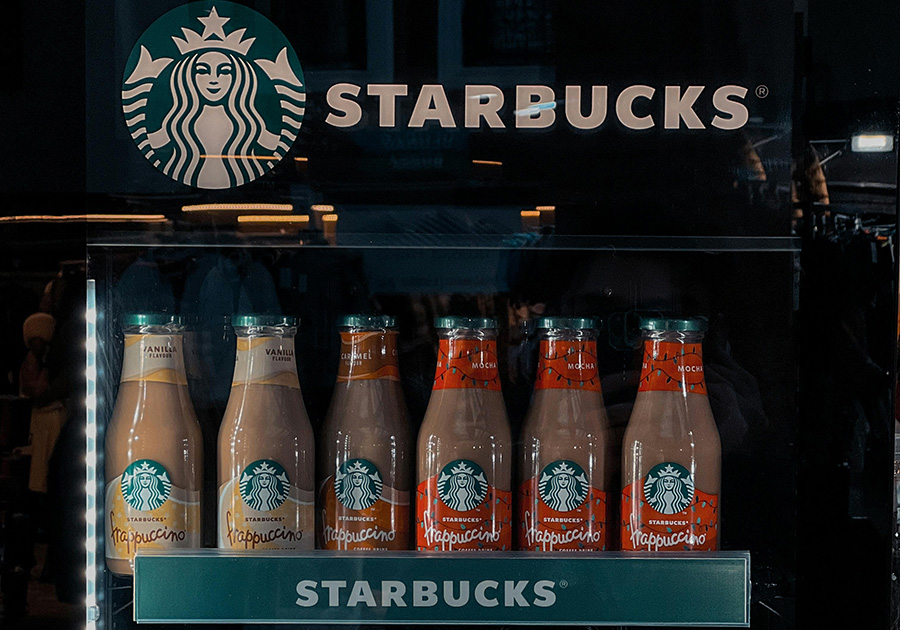
Most bottled Starbucks Frappuccino drinks come in a 13.7 fl oz (405 ml) size. In that standard bottle, caffeine content usually falls between 90 mg and 110 mg.
Here are some common examples:
- Mocha Frappuccino (13.7 oz): ~100 mg caffeine
- Coffee Frappuccino (13.7 oz): ~95 mg caffeine
- Vanilla Frappuccino (13.7 oz): ~95 mg caffeine
- Caramel Frappuccino (13.7 oz): ~90 mg caffeine
What This Means in Context
To put that into perspective, a regular 8 oz cup of brewed coffee contains about 80–100 mg of caffeine. So one bottled Frappuccino is roughly equivalent to a standard cup of coffee.
What surprised me is how moderate this actually is. Despite the rich flavor, the caffeine level isn’t particularly high compared to other coffee drinks.
2. Why the Caffeine Level Feels Lower Than Expected
Milk and Sugar Dilution
One reason bottled Frappuccinos don’t feel very strong is the high proportion of milk and sugar. These ingredients soften the bitterness of coffee, making the caffeine less noticeable.
A typical bottle contains:
- 250–300 calories
- 30–45 grams of sugar
That sweetness masks the intensity of the coffee itself.
Psychological Perception
I’ve noticed that when a drink tastes like dessert, I don’t mentally register it as “coffee.” This creates a disconnect between what I’m drinking and how much caffeine I think I’m consuming.
This is a subtle but important point. Flavor influences perception more than we realize.
3. Comparing Bottled Frappuccino to Other Starbucks Drinks
Against Hot Coffee
A tall brewed coffee (12 oz) at Starbucks contains around 235 mg of caffeine, which is more than double a bottled Frappuccino.
Against Espresso Drinks
A latte with one shot of espresso has about 75 mg, while a double shot contains 150 mg.
Where Frappuccino Fits In
The bottled Frappuccino sits somewhere in the middle. It has more caffeine than a single espresso shot but less than most hot coffee servings.
This comparison helped me recalibrate my expectations. It’s not a high-caffeine drink—it’s a moderate one disguised as a sweet treat.
4. Differences Between Flavors: Do They Matter?
Flavor Variations Are Subtle
While different flavors contain slightly different caffeine levels, the variation is usually small—often within a 10–15 mg range.
For example:
- Mocha tends to be slightly higher due to cocoa content
- Caramel and vanilla are slightly lower
Chocolate’s Minor Contribution
Chocolate contains a small amount of caffeine, typically 5–10 mg per serving. This can slightly increase the total caffeine in mocha versions.
A Practical Insight
In reality, the flavor you choose doesn’t drastically change your caffeine intake. The difference is noticeable on paper, but not in how the drink feels.
5. Sugar and Energy: The Overlooked Factor
High Sugar Content
One bottled Frappuccino can contain 30–45 grams of sugar, which is close to or exceeds the recommended daily limit for added sugars in many guidelines.
How Sugar Interacts with Caffeine
The combination of sugar and caffeine creates a quick energy boost followed by a potential crash. I’ve personally felt this—an initial spike in energy, then a noticeable drop a few hours later.
A Balanced Perspective
While caffeine gets most of the attention, sugar plays an equally important role in how the drink affects your body. Ignoring it gives an incomplete picture.
6. Is It Enough to Wake You Up?
Moderate Stimulation
With around 90–100 mg of caffeine, a bottled Frappuccino provides a mild to moderate energy boost. For many people, this is enough to increase alertness without causing jitters.
Tolerance Matters
If you’re used to drinking strong coffee, you might find it underwhelming. But if you’re sensitive to caffeine, it can still have a noticeable effect.
A Personal Observation
I’ve found that the drink feels less stimulating than it technically is. The smooth, sweet flavor makes it easy to drink quickly, which can lead to underestimating its impact.
7. Common Misconceptions About Bottled Frappuccino Caffeine
Misconception 1: It Has Very Little Caffeine
Not true. It contains roughly the same caffeine as a standard cup of coffee.
Misconception 2: It’s Just a Dessert Drink
While it tastes like one, it still delivers a meaningful dose of caffeine.
Misconception 3: All Frappuccinos Are the Same
Bottled versions differ from café-made Frappuccinos, which can have varying caffeine levels depending on preparation.
These misconceptions highlight how easily packaging and flavor can shape our understanding of what we’re consuming.
8. Final Thoughts: More Than Just a Sweet Coffee Drink
After looking into it more closely, I’ve come to see bottled Starbucks Frappuccinos differently. They’re not just convenient, sweet beverages—they’re a hybrid of coffee and dessert with a moderate caffeine kick.
With around 90–110 mg of caffeine per bottle, they sit comfortably in the middle range. Not too strong, not too weak.
But what stands out to me most is how perception can mislead us. The sweetness, the branding, and the texture all make the drink feel lighter than it actually is.
And maybe that’s the real takeaway. Understanding what’s in your drink doesn’t take away the enjoyment—it actually makes the experience more intentional.
FAQs
1. How much caffeine is in a 13.7 oz Starbucks Frappuccino bottle?
Most contain between 90 mg and 110 mg of caffeine, depending on the flavor.
2. Is a bottled Frappuccino stronger than regular coffee?
No, it usually has less caffeine than a standard 12 oz brewed coffee.
3. Which Frappuccino flavor has the most caffeine?
Mocha varieties tend to have slightly more due to added cocoa, but the difference is small.
4. Can I drink multiple bottles in a day?
You can, but keep in mind that two bottles could reach 180–220 mg of caffeine, plus a high sugar intake.
5. Does the bottled version differ from café Frappuccinos?
Yes, café versions can vary in caffeine depending on how they’re made.
6. Is there a decaf bottled Frappuccino?
Most bottled versions contain caffeine, and decaf options are limited.
7. Is it safe for teenagers to drink?
In moderation, yes, but the combined caffeine and sugar content should be considered carefully.