What Is a Frappuccino
Why I Realized a Frappuccino Isn’t Just “Cold Coffee”
What Is a Frappuccino: For a long time, I lumped every cold coffee drink into the same category. If it had ice and caffeine, I assumed it was basically the same thing. Then one hot afternoon, I ordered a Frappuccino expecting something refreshing and light. What I got instead was thick, creamy, almost dessert-like—and surprisingly filling.
That moment made me pause. A Frappuccino clearly wasn’t just iced coffee with a fancy name. It was something engineered, layered, and intentionally indulgent. The more I paid attention, the more I realized it sits somewhere between a beverage and a treat. Understanding it requires looking beyond the surface.
1. What Exactly Is a Frappuccino?
Basic Definition
A Frappuccino is a blended iced beverage that typically combines:
- Ice
- Coffee or crème base
- Milk
- Sweeteners and flavorings
- Whipped cream (optional)
Two Main Types
- Coffee-based Frappuccino (contains caffeine)
- Crème-based Frappuccino (caffeine-free or very low)
Texture and Identity
Unlike iced coffee, it has a thick, milkshake-like consistency.
A Clarifying Insight
What makes a Frappuccino unique isn’t just the ingredients—it’s the blending process that transforms liquid into something almost dessert-like.
2. The Origin of the Frappuccino: More Than Just a Trend
Name Breakdown
The term combines:
- “Frappe” (a chilled drink)
- “Cappuccino”
Historical Context
The modern Frappuccino was popularized in the 1990s and became a signature menu item.
Why It Took Off
It offered something different: a coffee drink that appealed even to people who didn’t like strong coffee.
A Thoughtful Reflection
It’s interesting how the Frappuccino blurred the line between coffee culture and dessert culture. That shift changed how many people, including myself, approached coffee.
3. What’s Inside a Frappuccino? Breaking Down the Ingredients
Core Components
- Ice: provides structure
- Milk: adds creaminess
- Coffee or base syrup: flavor foundation
- Sweeteners: enhance taste
- Stabilizers: maintain texture
Sugar Content
A typical Grande (16 oz) Frappuccino can contain:
- 40–60 grams of sugar
- 250–400 calories, depending on flavor
Example
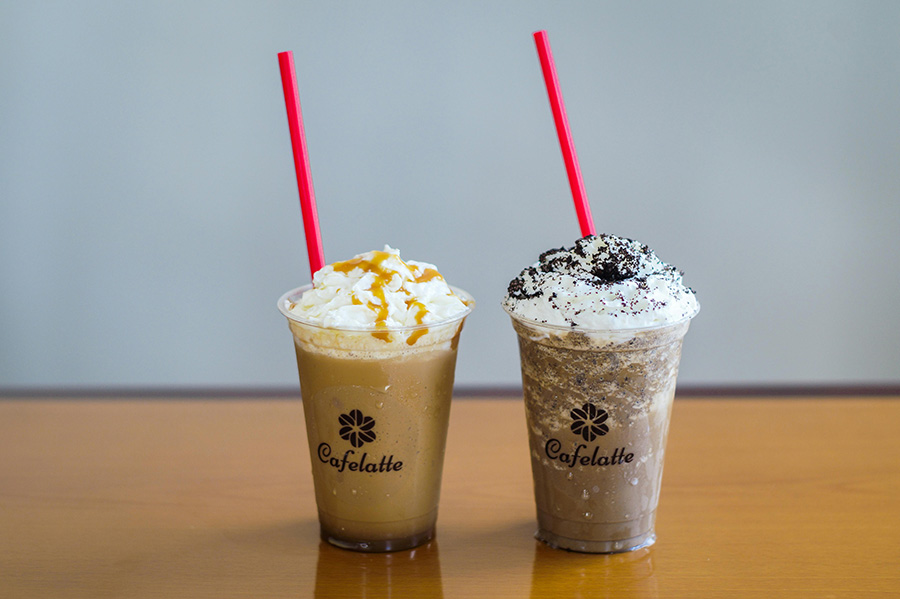
A caramel Frappuccino often includes syrup, whipped cream, and drizzle—each adding to total sugar.
A Realistic Insight
Once I looked at the numbers, I stopped thinking of it as “just coffee.” It’s closer to a dessert in nutritional terms.
4. Frappuccino vs. Iced Coffee: Key Differences
Preparation Method
- Frappuccino: blended
- Iced coffee: brewed and poured over ice
Texture
- Frappuccino: thick and creamy
- Iced coffee: light and fluid
Caffeine Content
- Frappuccino: ~70–100 mg (varies widely)
- Iced coffee: ~120–200 mg
A Subtle Counterpoint
Many people assume Frappuccinos are stronger because they taste richer. In reality, they often contain less caffeine than regular iced coffee.
5. Why Frappuccinos Taste So Appealing
Flavor Engineering
They balance sweetness, creaminess, and cold temperature.
Psychological Appeal
Cold, sweet drinks are often perceived as more refreshing and indulgent.
Texture Factor
The blended ice creates a smooth, almost velvety consistency.
A Personal Observation
I’ve noticed that the appeal isn’t just flavor—it’s the entire sensory experience. The thickness, the sweetness, even the visual layers all contribute.
6. Customization: How Flexible Is a Frappuccino?
Adjustable Elements
- Milk type (whole, almond, oat)
- Sweetness level
- Toppings (whipped cream, sauces)
Lower-Calorie Options
- Skip whipped cream
- Use nonfat milk
- Reduce syrup pumps
Example Adjustment
Cutting syrup by half can reduce sugar by 15–20 grams.
A Balanced Insight
Customization allows flexibility, but it also reveals how much of the drink’s identity depends on added ingredients rather than the coffee itself.
7. Common Criticisms and a Different Perspective
Criticism 1: Too Sweet
Many find it overly sugary.
Criticism 2: Not “Real Coffee”
Purists argue it lacks authentic coffee character.
Criticism 3: High Calories
Often compared to desserts in nutritional value.
A Counter-Argument
While these criticisms are valid, I think they miss the point. A Frappuccino isn’t trying to be traditional coffee—it’s trying to be accessible, enjoyable, and indulgent. Judging it by espresso standards feels slightly misplaced.
8. Final Thoughts: A Frappuccino Is an Experience, Not Just a Drink
After spending time understanding what a Frappuccino really is, I’ve stopped categorizing it strictly as coffee.
It’s a hybrid—part beverage, part dessert, part cultural icon. It appeals to a wide audience precisely because it doesn’t demand a taste for strong coffee. Instead, it offers something softer, sweeter, and more approachable.
That said, it also challenges how I think about coffee consumption. It raises questions about balance, nutrition, and what I actually want from a drink.
Some days, I want clarity and simplicity. Other days, I want something indulgent and comforting. A Frappuccino fits firmly into that second category—and when I treat it that way, it makes a lot more sense.
FAQs
1. Does a Frappuccino contain coffee?
Some do (coffee-based), while crème versions may not.
2. How much caffeine is in a Frappuccino?
Typically 70–100 mg, depending on size and type.
3. Is a Frappuccino the same as iced coffee?
No, it’s blended and much thicker.
4. Are Frappuccinos unhealthy?
They can be high in sugar and calories, similar to desserts.
5. Can I customize a Frappuccino?
Yes, including milk type, sweetness, and toppings.
6. Why is a Frappuccino so thick?
Because it’s blended with ice and stabilizing ingredients.
7. Can I make a Frappuccino at home?
Yes, using ice, coffee, milk, and a blender.